- The NHS. The Silence. The Reality
The NHS is waking up to cancer‑treatment inequalities among black communities. And one of the steps now being rolled out is mandatory Cultural Awareness training for GPs.
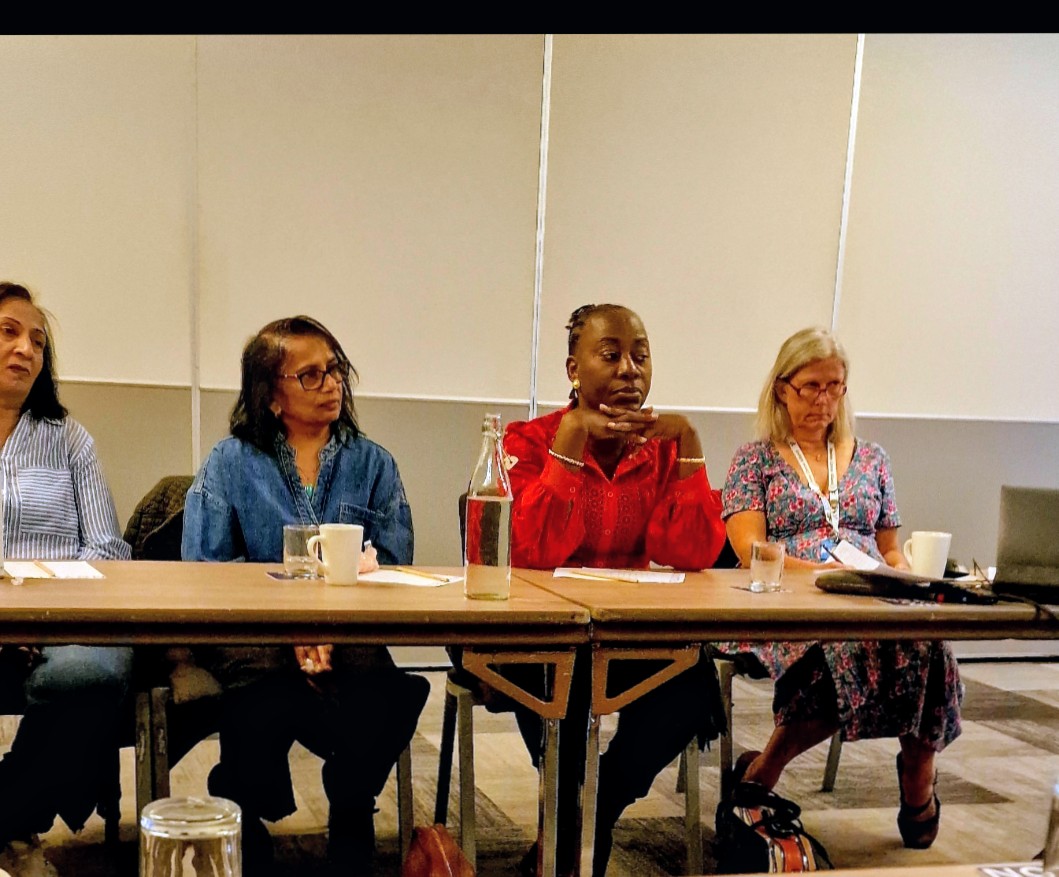
This week, I was invited again by Wessex Cancer Alliance to the second focus group for Hampshire, Isle of Wight, Dorset and BCP councils.
That room brought together healthcare professionals and cancer survivors with lived experience of the NHS.
The survivors represented the African, Caribbeans and South-Asian communities
I wrote about the first session on February here. Yesterday’s session went deeper, with far more vulnerability surfacing.
Here are some of the themes that emerged — unfiltered, because the truth needs to be heard plainly:
late diagnosis in Black patients
Two White medics, from different councils, voiced the same concern: the majority of patients accessing cancer care are White.
People of Colour tend to present much later, often at advanced stages. So what’s happening, and how do we close that gap?
We heard that many people simply don’t want to know their health status. Some are afraid to find out. Others believe cancer can’t happen to them.
NHS cancer inequalities
On top of that is a generational distrust of a system that has been — and in many ways remains — unfair.
Even the ‘small’ things reinforce that distrust. For example: how is it that the NHS still claims not to have access to wigs suitable for the world’s largest demographic of wig‑users? Yet it’s easy to stock wigs for White patients, who statistically wear them far less. These things matter.
Inherited trauma shows up as low‑level distrust: they won’t listen to me anyway, so why bother?
Blacks
Cultural subservience plays a role too — the fear of authority figures, that reluctance to challenge a doctor even when your body knows better and is screaming.
Cancer stigma in African and Caribbean families”
We also discussed the silence around cancer in many Black families. Stigma is passed down as ‘protection’. Since it spills into relationships and marriage prospects:
“Eh, you want to marry her? Doesn’t cancer run in their family?
Faith & Fear
Pentecostal churches — which host the largest Black congregations — often avoid engagement altogether.
For some, cancer is framed as punishment for sin or a lack of faith. And then there’s the unhelpful TMI: the moment you share your diagnosis, people rush to tell you who they know that died.
What Needs to Change
These are the barriers. These are the realities. And this is why the work must continue.
Dear Reader, here is my challenge;
Amarawrites
To healthcare professionals — keep showing up with humility. Listen without defensiveness. Challenge the blind spots in your own systems. Representation, access, and cultural competence are not “nice to have”; they are life‑saving.
To our communities — we must break the silence. Ask questions. Seek screenings. Share stories. Challenge stigma. Demand fairness. Your body is not an inconvenience, and your pain is not imaginary.
Amarawrites
Additional resource
Discover more from amarannajiwrites
Subscribe to get the latest posts sent to your email.