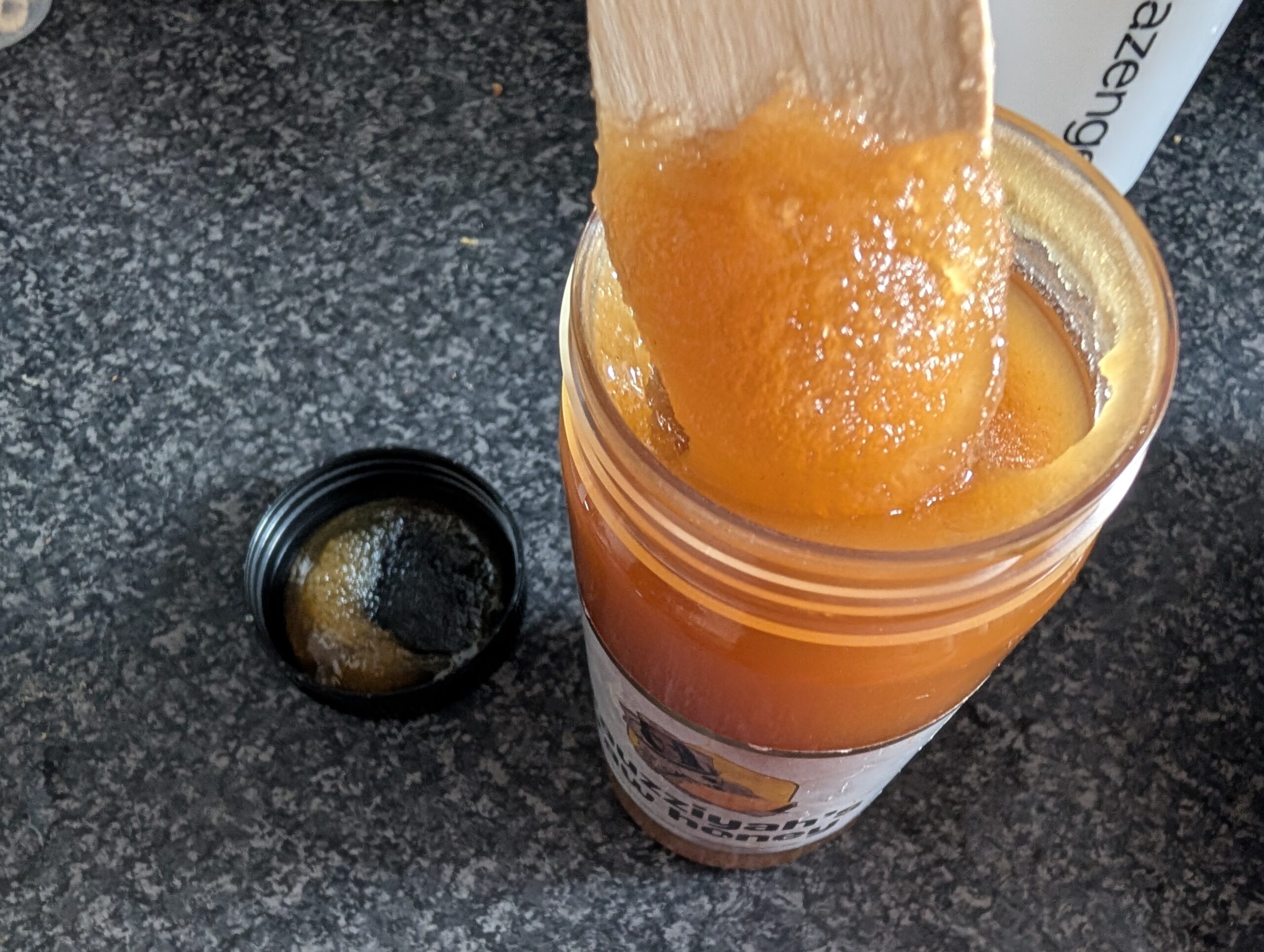
Immediately the rainforest notes of Fawziyya’s honey hit my taste buds, I found myself flying through the air and traversing the streets of Nigeria.
And no, I am not a witch.
I am merely an immigrant who remembered the taste of home.
As I surrendered my senses to the lingering heady taste, my eyes watered from the pain of trying not to remember.
You see, I am a lover of honey and pride myself in knowing many of the regional tastes, consistencies and colours.
Dark chocolate brown. Caramel Golden. And every other hue in between. Nigeria boasts of them in a smashing potpourri of floral and fauna specimens
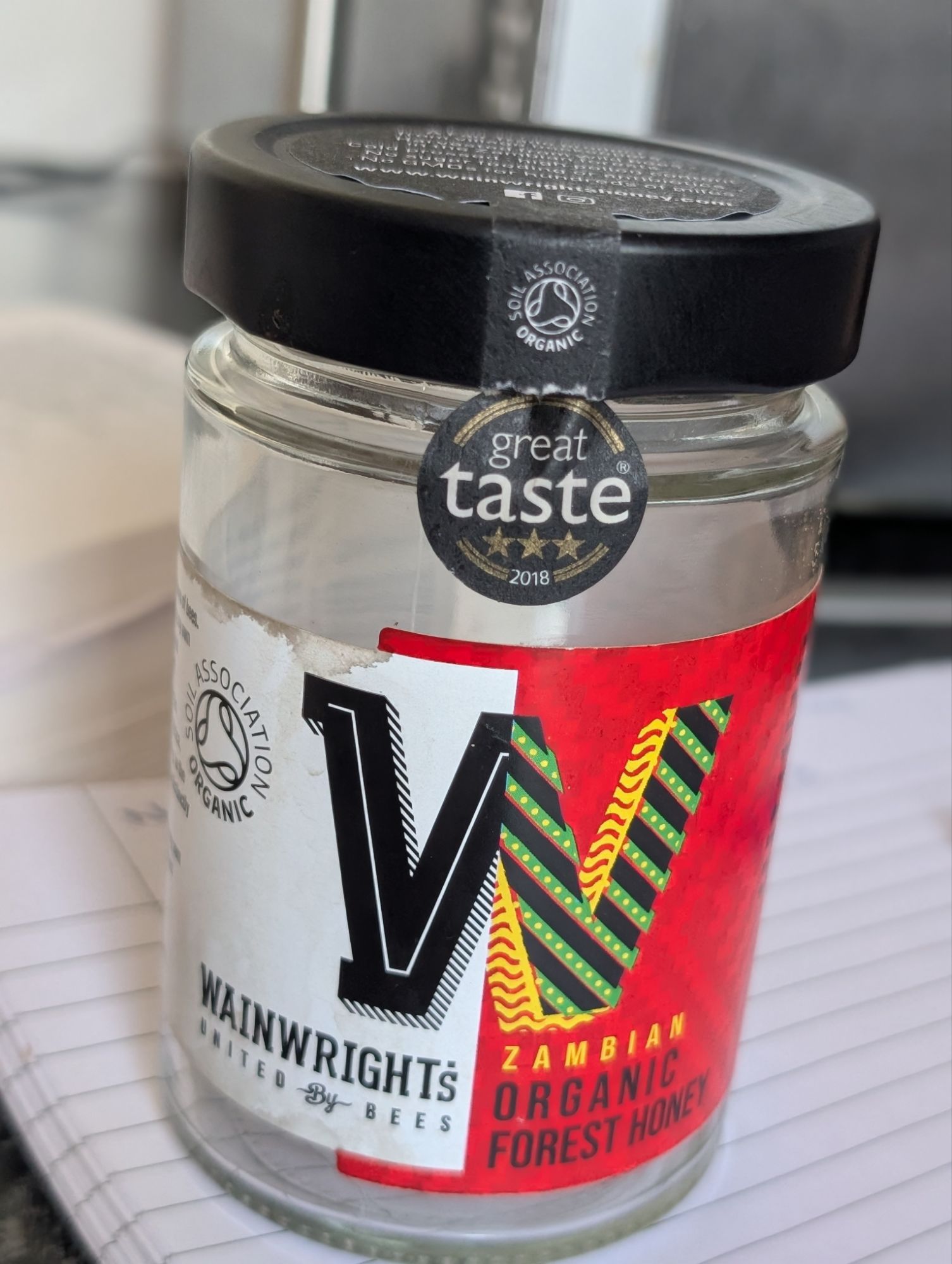
The Zambian honey which was the closest thing to home for me, paled in comparison to these notes cascading down my throat.
“If Nigerian Honey is World-class, Why isn’t it on UK Shelves?”
I felt a jolt as my International Trade head jeered at me with that question.
A question that my professional head knew the response to albeit my consumer head found triggering.
Nigeria produces some of the richest honey on the continent — thick, aromatic, medicinal. Honey pouring out from the ecosystems that stretch from the Sahel to the rainforest.
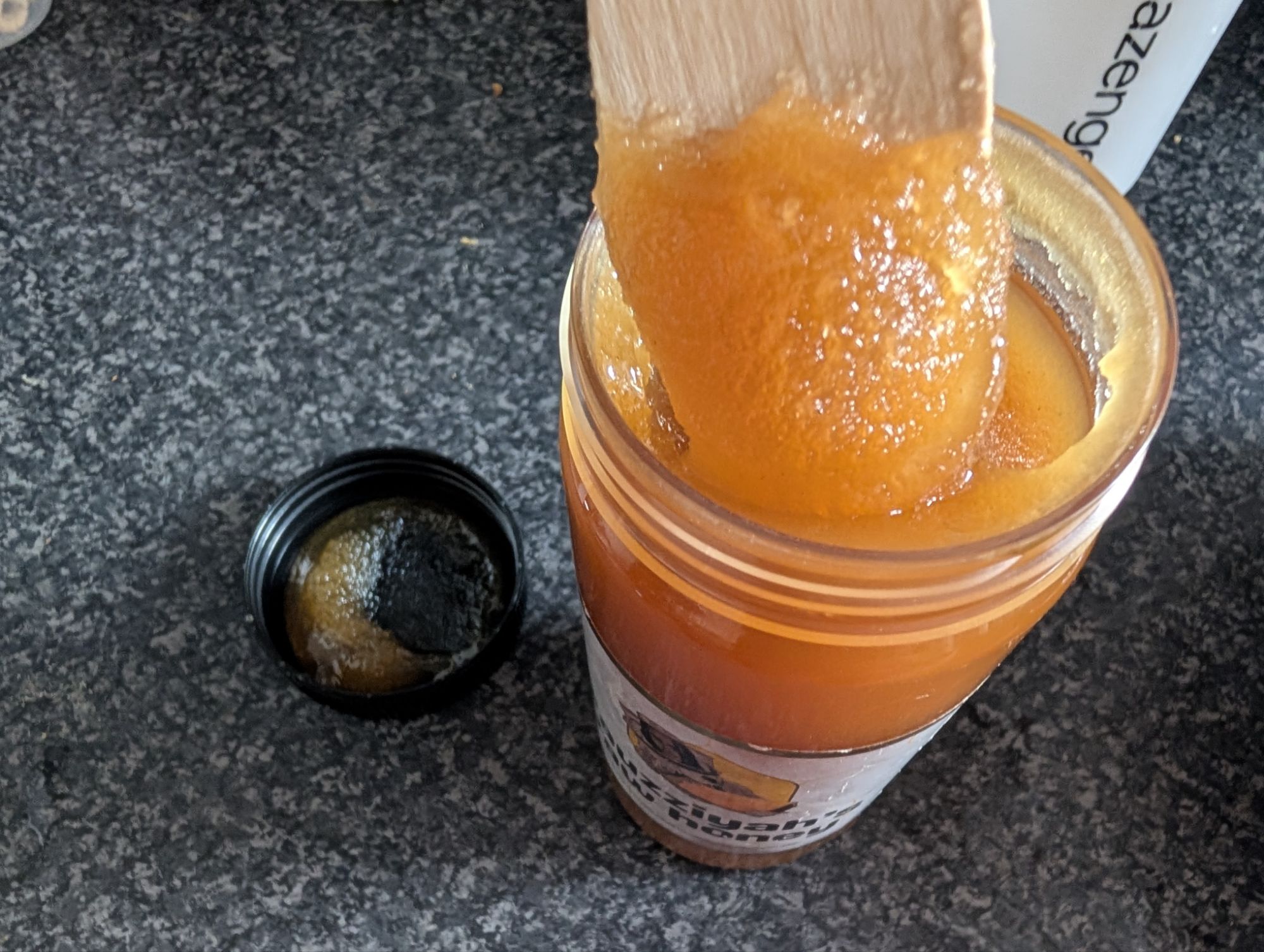
On quality alone, Nigeria should be standing shoulder‑to‑shoulder with Ghana, Tanzania, Zambia and Burkina Faso on UK supermarket shelves.
But from my years of research through various big retailers and ethnic sellers, it isn’t.
And the reason has nothing to do with taste, purity or potential. It trickles down to regulatory readiness;
the quiet, technical backbone of international trade that determines who gets market access and who remains invisible.
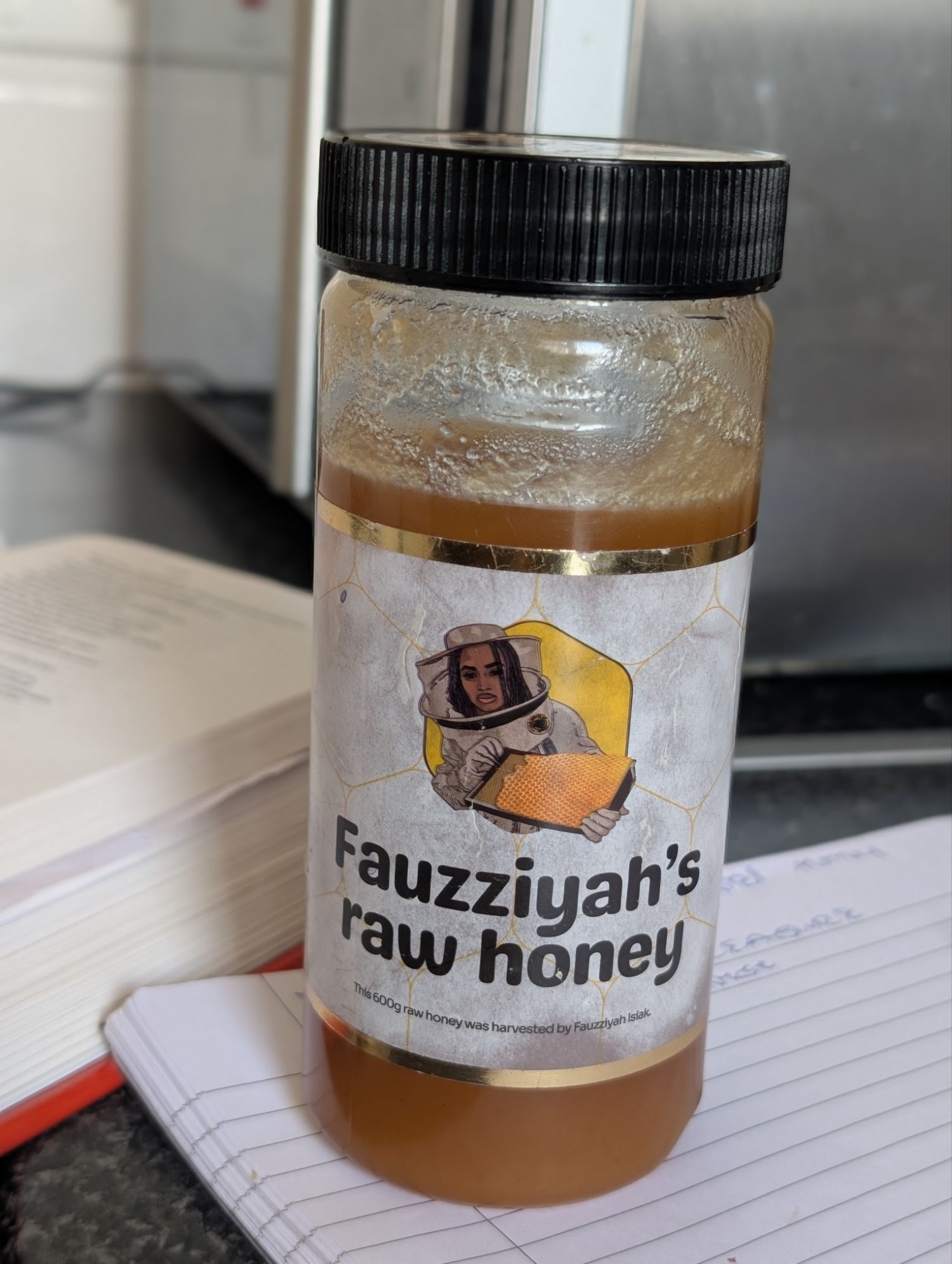
The Sweet Strength of Nigerian Honey
Nigeria’s honey is naturally premium.
I make this assertion from years of lived experiences across my lifetime there
The same lived experience which is making me affirm it as an immigrant end-user here who has tasted real honeys from diverse countries
or runny syrup that goes by the name but barely has the semblance of it
Its strengths are undeniable:
- High antioxidant levels from diverse flora
- Low moisture content, which improves shelf life
- Wild‑foraged and organic‑leaning production, ideal for health‑conscious markets
- Distinctive flavour profiles shaped by varied ecological zones
- In global apiculture, these attributes command strong prices. But premium quality alone does not open borders.
- Compliance does.
-
Why the UK Cannot Import Nigerian Honey (Yet)
- The UK does not ban Nigerian honey.
- It simply requires exporters to meet strict import conditions for apiculture products – conditions that several African nations have already met – including our nimble cousins Benin & Ghana.
-
Nigeria & South Africa prides themselves on being Africa’s largest markets. Yet, while SA is on the UK’S approved list of 3rd-countries honey importers, Nigeria isn’t.
- And it has nothing to do with size either because across Africa, other smaller nations make that list
- How?
- By being NRMP-compliant.
-
under the UK’s retained version of Decision (EU) 2011/163, any country exporting honey must have an approved National Residue Monitoring Plan (NRMP).
- This is a state-managed testing regimen for pesticides, heavy metals and environmental contaminants in honey
- Without this approval, commercial honey cannot legally enter Great Britain.
-
2. Nigeria lacks a fully operational health‑certification system
Every honey shipment to the UK must be accompanied by a GB‑model health certificate, issued by a recognised competent authority.
- This confirms compliance with UK food safety rules, origin from registered establishments, and adherence to residue‑monitoring requirements.
- In Nigeria, these regulators are NAFDAC and Nigerian Agricultural Quarantine Services (NAQS)
While other African exporters have built this pipeline, Nigeria has not.
-
3. Traceability and processing systems remain fragmented
- Supply chain traceability is a big issue in the West.
- As such, countries that successfully export honey to Europe typically are compliant with….
- standardized aviary registries,
- hive‑to‑export traceability, modern processing plants, moisture‑control and filtration systems, and HACCP‑compliant packaging.
- Nigeria’s honey sector is dominated by smallholders with limited access to stainless‑steel extraction equipment, residue‑testing laboratories and coordinated export hubs.
-
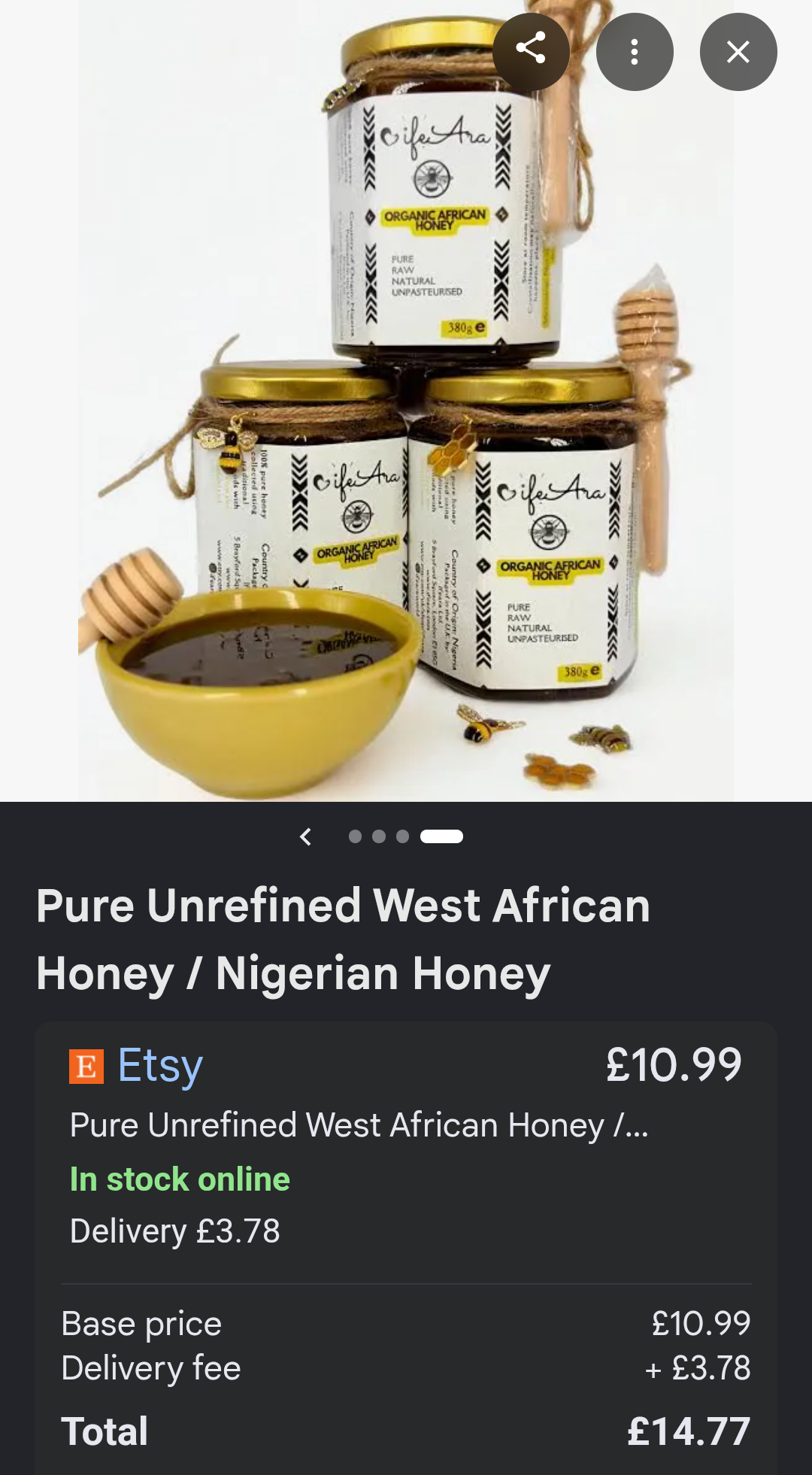
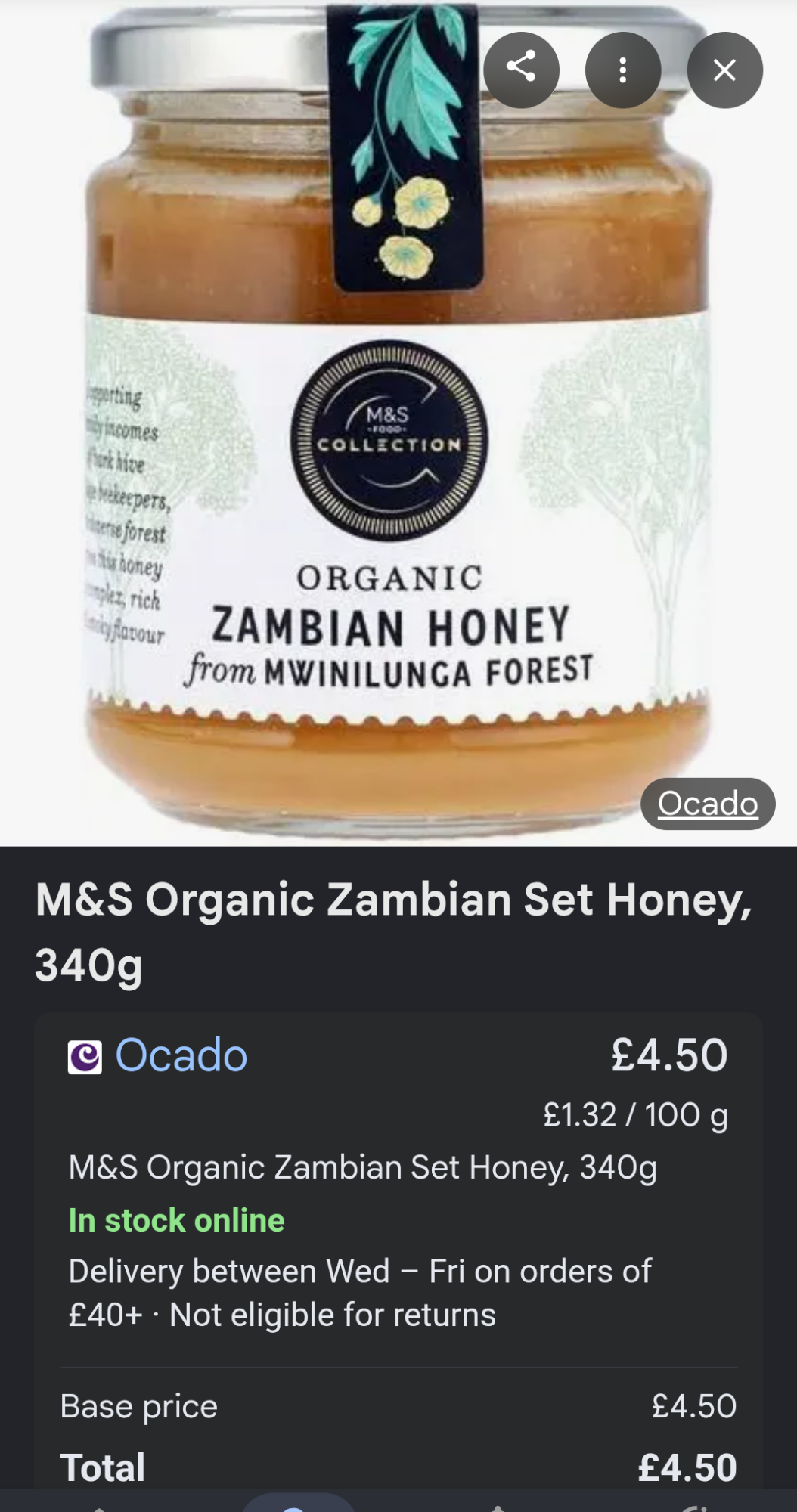
- This is why you can pay less than £5 for Zambian honey at the big retail chains but be charged an exorbitant price for a same size container from Nigeria sold by a small business
- This makes it difficult to meet UK expectations for hygiene, traceability and uniformity.
- Moreso, having a compliance history of conformity doesn’t help here
-
The UK’s Regulatory Framework for Honey Imports
The UK’s apiculture import rules are outlined in the government’s Import Information Note (IIN) BAL/2B.
- Key requirements include:
Approved country status under Decision (EU) 2011/163
GB‑model health certification
Registered establishments in the exporting country
Border checks for products of animal origin (POAO)
Compliance with The Honey (England) Regulations 2015 on purity, composition and labelling
- These are non‑negotiable for market entry.
-
UK imports of natural honey from Tanzania in 2025 = USD7.73 – UN COMTRADE Database
-
These regulatory alignment is where Nigeria’s GDP and consumers are missing out
-
-
What Nigeria Must Do to Compete
To unlock the UK market, Nigeria must:
Develop and submit a NRMP
Strengthen the competent regulatory agencies to verify UK‑compliant health certificates before issuing
Build export‑grade processing hubs with moisture control and HACCP compliance
Create national traceability systems and beekeeper registries
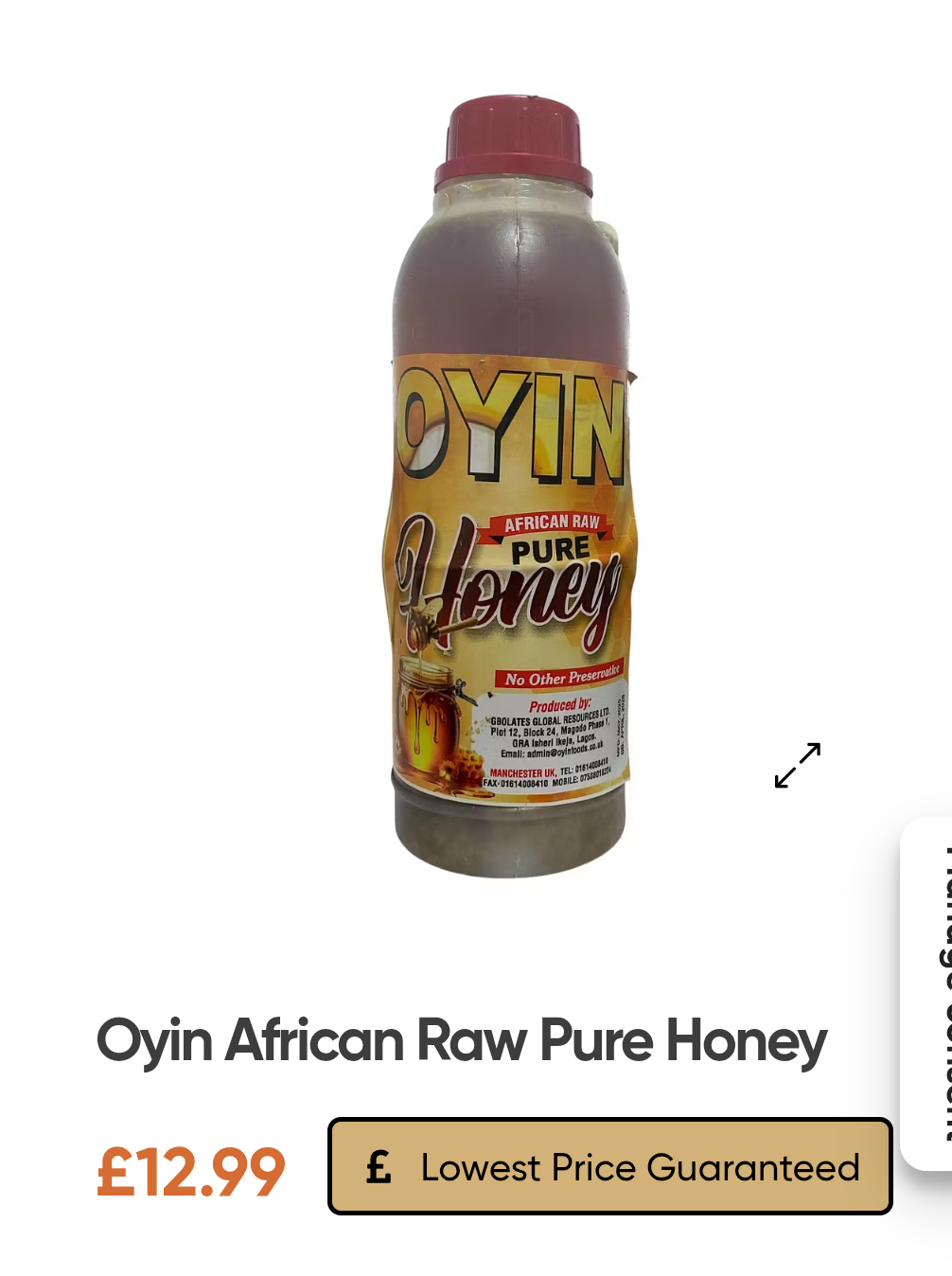
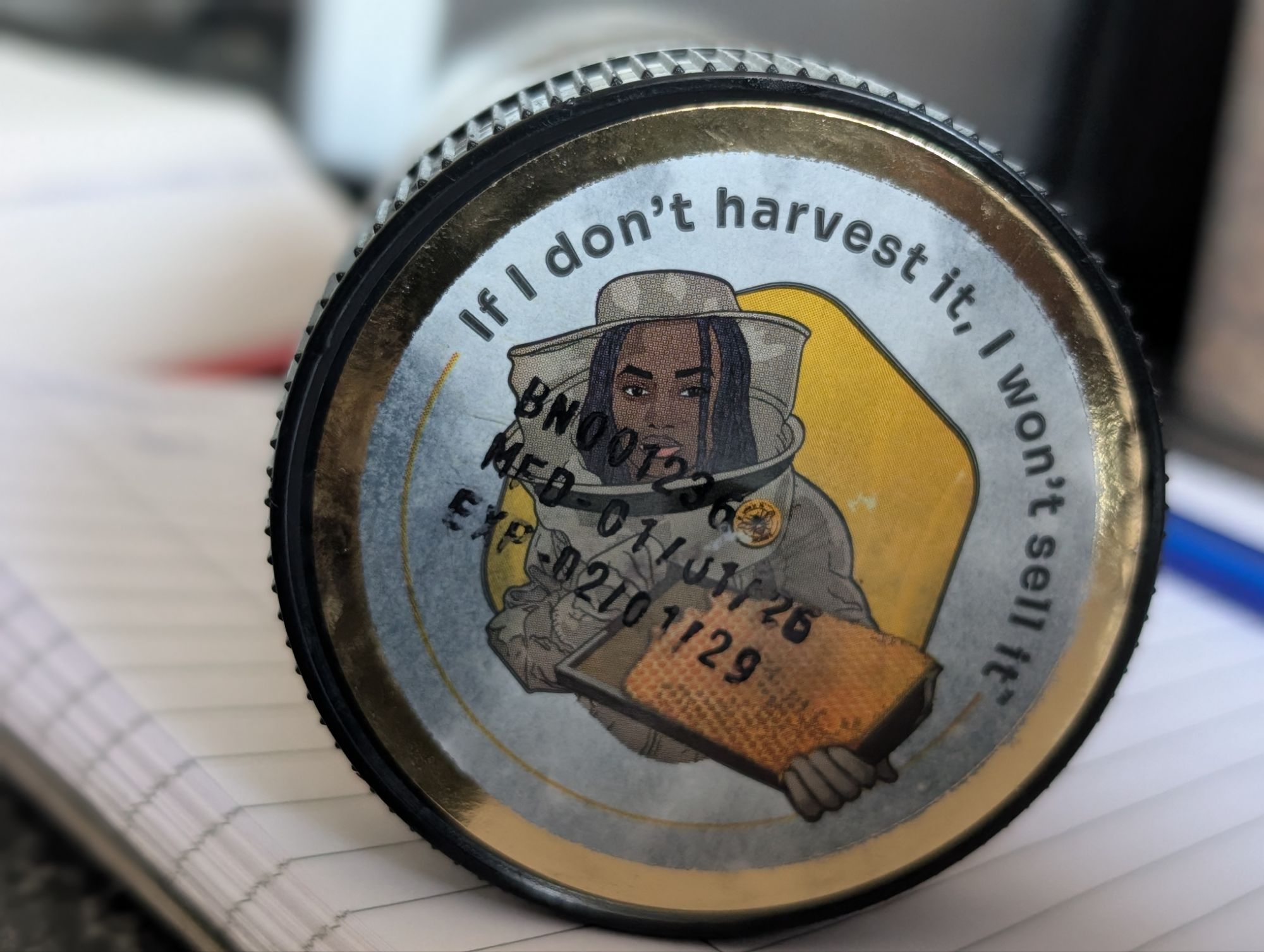
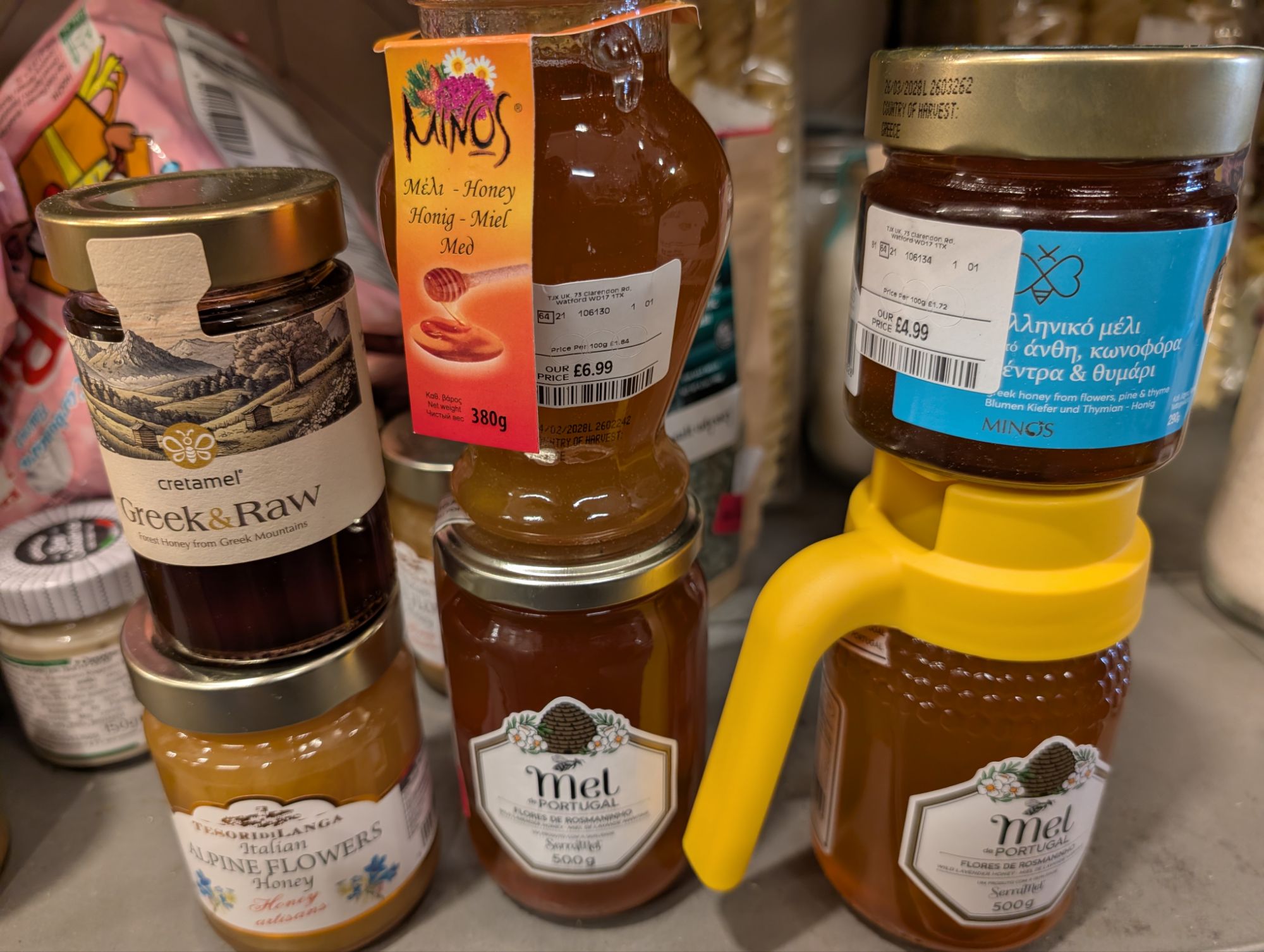
Develop a national honey brand to position Nigerian honey as premium. For example, compare the Zambian gold standard honey label with the others from Nigeria
These steps are achievable + transformative.
Final Thought
The NEPC (Nigerian Export Promotion Council) as the major body for exporters has a large role to play here.
Nigeria has the natural product to compete with any global honey exporter.
What it lacks is the regulatory infrastructure required by the UK market.
Enough of the regulatory grandstanding which mostly frustrates businesses and time to get the job done.
Enough of the business development seminars hosted by different agencies which do not translate to practical foreign market entry
Ghana transitioned from legal framework (talking) to doing by helping private sector businesses trade across border
She has been able to achieve this through partnerships and compliance-readiness working with the UK-FCDO
The Foreign, Commonwealth & Development Office directly funds Ghana’s Animal Health Systems Strengthening Project (AHSS). An initiative which hosts intensive training in agricultural programmes
Meanwhile, Nigerian regulators still operate in institutional silos. Competing over revenue targets instead of collaborating as trade partners
This means there is no handshake with global counterparts – something which leaves small businesses vulnerable and disadvantaged compared to their regional peers
Ask yourself why you should walk into an ethnic shop and willingly pay £25 for the same product you can sit in your home and order on Ocado for £5?
Even patriotism and homesickness has its limits.
Once Nigeria aligns with UK apiculture standards – especially residue monitoring and certification – its honey can finally take its rightful place on British shelves.
Discover more from amarannajiwrites
Subscribe to get the latest posts sent to your email.