

Presume you are sitting on the Board panel interviewing the final candidate to run your new campaign in a foreign market
It’s a perfunctory interview since the candidate has passed through all the hoops
You ask the following question:
Which of these, in your estimate, is the most expensive barrier to trade in a foreign market?
- Tax Compliance
- Logistics
- Local Regulatory Framework
- Customs & Tariffs
- Culture & Tradition
Forget the candidate for now, which do you think is the answer?
The right response could save your company lots of money. Preserve your brand reputation or drag you down.
Culture: That Blind Spot as You Navigate The Bend of Cross-border Commerce
The most expensive barrier to international trade isn’t a customs tariff—it’s a cultural blind spot.
A lesson which Lululemon – a Global activewear giant – recently learned the hard way in China.
How?
In a major push into their most profitable growth market, they hosted a massive yoga festival atop the Great Wall.
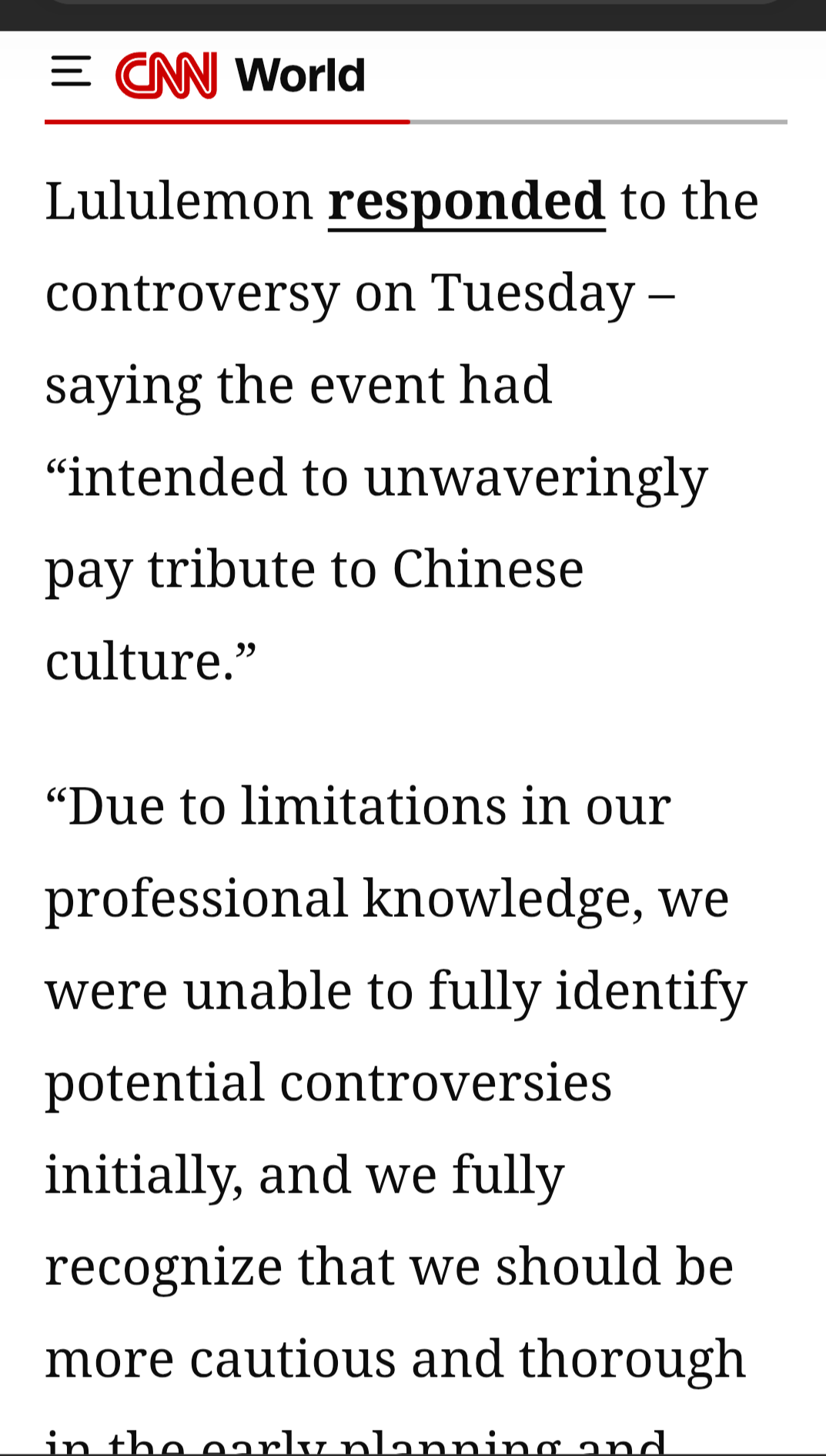
What was meant to be a beautiful celebration of Chinese heritage derailed instantly when organizers accidentally featured Japanese-style Taiko drums instead of traditional Chinese Dagu instruments.
Given the deep-rooted regional historical sensitivities, this single oversight triggered an explosive nationalist backlash online.
The consequence?
The brand completely……
- lost face
- accidentally compromised their local celebrity ambassadors
- and had to scrub the entire multi-million-pound campaign from the internet.
You, Dear CEO, would agree that is such an expensive mistake, right?
I can hear the adrenaline pulsing through your body as you pace like a caged tiger reaching for an escapegoat
Unfortunately, even after you sack that person, the Board will still hold you accountable.
International Business Development
When mapping out a new international expansion plan, it’s incredibly easy to get buried in the data.
We stress over tax compliance, supply chain logistics, and local regulatory frameworks.
Yet we either forget or gloss over Culture…..
Actually we don’t. We outline corporate culture while neglecting the local culture of the market.
But whether you are a nimble SME or a massive multinational, the truth is that a flawless logistical model means absolutely nothing if your brand unconsciously alienates the people you are trying to serve.
International trade is fundamentally human. True business development requires looking beyond the paperwork to understand local beliefs, history and traditions
Risk Mitigation & Compliance
Did you know that this Lululemon incident isn’t just an isolated corporate slip-up?
It is part of a recurring pattern where cultural blind spots completely tank market entry strategies.
Tesco’s Misstep in India: The UK retail giant tried to capture the Indian grocery market but completely misjudged local cultural, political, and socio-economic dynamics.
By pushing Western-style hypermarkets, they faced immediate, fierce pushback from local politicians protecting millions of traditional independent corner shops (Kirana stores).
The result?
Unnecessary years of delayed expansion and a heavily restricted footprint
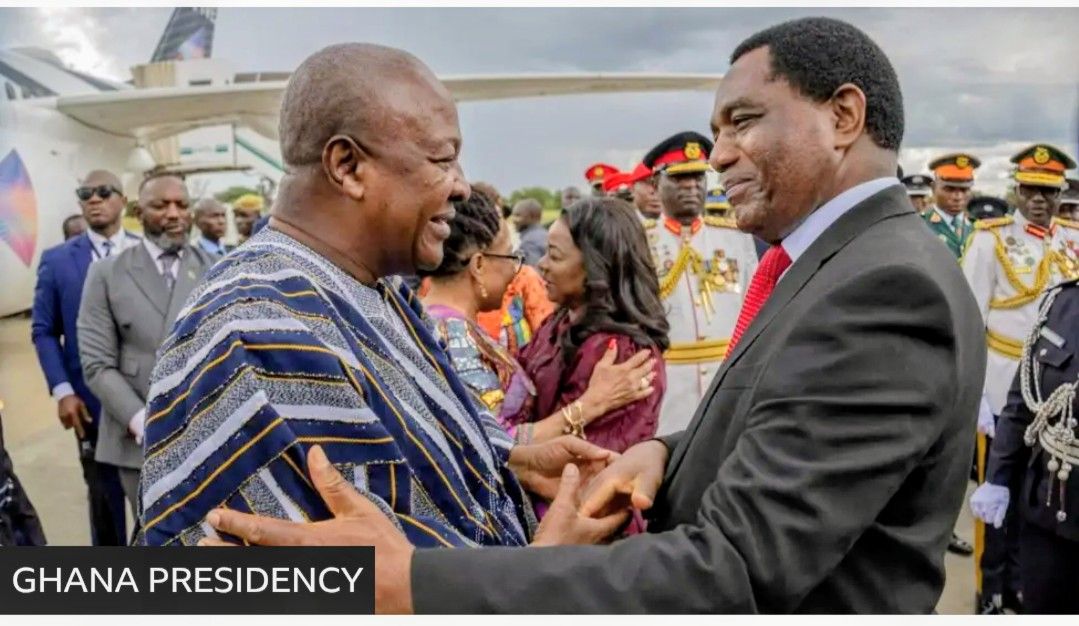
The Zambia-Ghana Diplomatic Fashion Clash:
I pride myself as a global citizen. Thanks to my multicultural upbringing, nomadic travels as a child and decades working in multinationals + being a voracious reader,
so trust me when I say cultural ignorance doesn’t just happen to Western companies.
During a state visit to Lusaka, Ghanaian President John Mahama arrived wearing a traditional, hand-woven Fugu smock.
Unfamiliar with the historic garment, many Zambian netizens mocked it online.
I take it you understand the extent of ignorance exhibited online.
Well this resulted in a firestorm which forced Zambian President Hakainde Hichilema to step in publicly and order Fugu garments himself to defuse a diplomatic and commercial PR disaster.
I leave you with two Quick Recommendations;
This means do not relegate local knowledge to a junior regional team or a translation agency. Or an influencer.
Appoint an advisor or executive member who is a native of your target market – someone who truly knows their onions when it comes to local business etiquette and consumer psychology.
Even when they do not look like an influencer and prefer sitting outside the spotlight.
They need the authority to hit pause if a campaign looks risky.
And yes, it is totally okay if that is the only job description they have. Watch how much that role contributes to your bottom line eventually
Just like you audit financial records, you need to stress-test your marketing and event plans against local socio-political climates.
Working with an international trade advisor to run your concepts by local focus groups can flag minor nuances – like an incorrect drum pattern – long before it goes public.
Discover more from amarannajiwrites
Subscribe to get the latest posts sent to your email.